Detachable Single-Leg Iron Camping Lamp Holder Guide
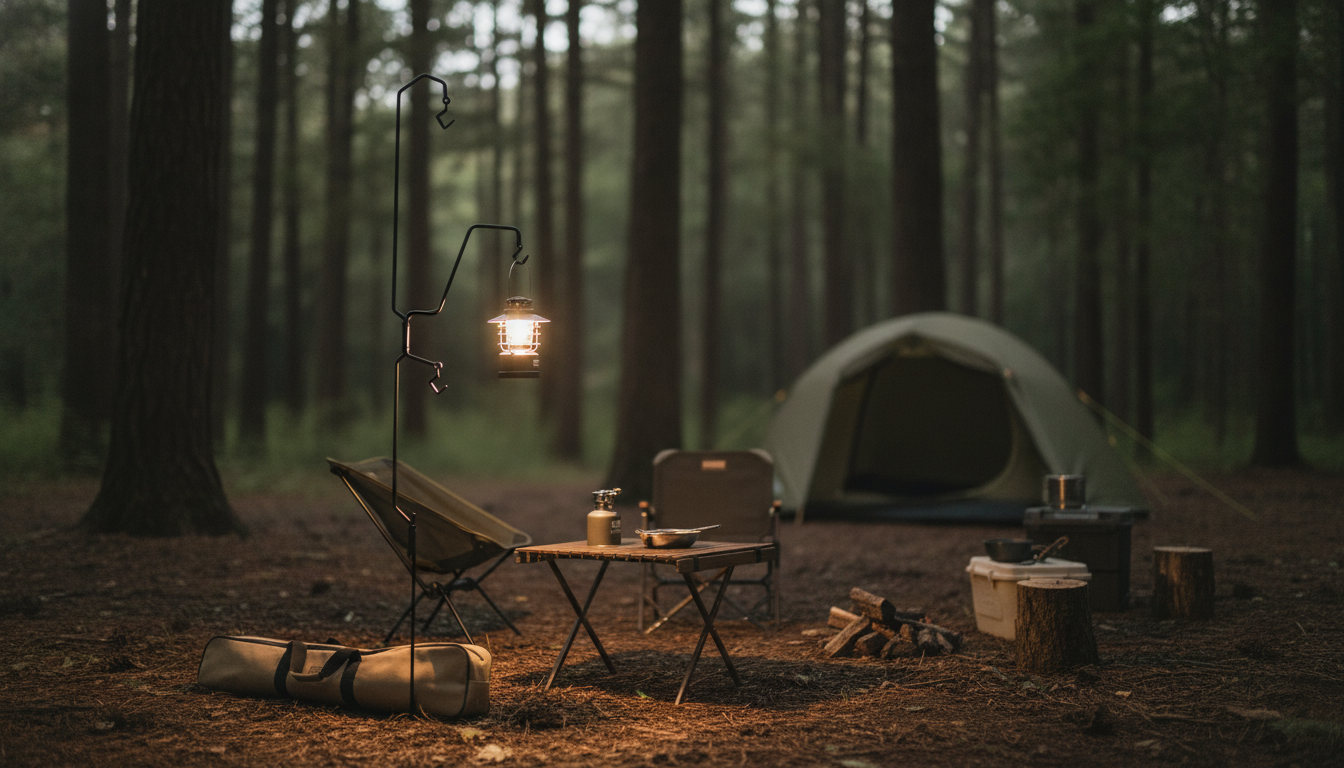
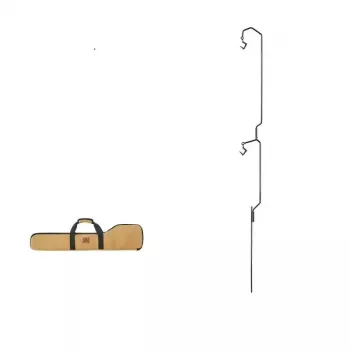
Portable Single-Leg Iron Camping Lamp Holder with Detachable Design
A dedicated lamp holder keeps campsite lighting elevated, stable, and out of the way of foot traffic. This portable, single-leg iron stand uses a detachable build for easier packing while keeping a simple, rugged setup for tents, cooking areas, and night camp tasks. Instead of improvising with rocks, coolers, or a low table, a purpose-built hanging point gives your camp a consistent, dependable “light spot” that’s easy to find after dark. For more guidance, see Portable Shower for Camping, Rechargeable Portable Shower ….
What This Lamp Holder Helps With at Camp
- Keeps lanterns and camp lights off the ground to reduce glare at eye level and improve area lighting.
- Creates a consistent light point for cooking, organizing gear, and moving around camp after dark.
- Reduces the chance of knocking over a light placed on tables, coolers, or uneven rocks.
- Works well when trees or overhead branches aren’t available for hanging a lantern.
Elevated lighting can make routine tasks—finding a zipper pull, checking a stove, or sorting a first-aid kit—feel less chaotic. It also helps keep shared spaces calmer: one predictable light source is easier on everyone’s eyes than multiple lights pointed in different directions. For further reading, see [PDF] Infrastructure Design and Construction Standards – City of Tukwila.
Detachable Design for Packing and Fast Setup
- Detachable sections make it easier to stow in a car trunk, gear bin, or camp tote.
- Fewer bulky, awkward shapes compared with non-detachable hooks or tall fixed poles.
- Quicker breakdown at night: remove the light first, then separate sections to avoid bending or twisting under load.
- Useful for mixed trips (car camping, overlanding, beach nights) where storage space is limited.
Detachable construction is especially handy when you want a “bring it every trip” tool. If a piece of gear is annoying to pack, it tends to get left behind. Breaking the stand into smaller sections keeps it more compatible with real-world storage: under-seat bins, narrow side compartments, or a crowded tote with cooking gear.
Single-Leg Stability: Placement Tips That Matter
- Choose firm ground and avoid loose sand or deep duff where a single stake can wobble.
- Angle the leg slightly away from the hanging load to resist pull and reduce lean.
- Keep the light’s weight close to the vertical line of the leg; minimize long offsets that increase torque.
- In wind, lower the hanging height and move the stand behind a natural windbreak (vehicle, boulder, low shrubs).
A single-leg stake style is quick and clean—no sprawling legs to trip over—but placement makes the difference between “solid” and “fussy.” When the soil is questionable, place the stand where the ground is naturally compacted (near an established pad) and keep the lantern lower until you’re confident it won’t sway.
Compatibility: Lights, Lanterns, and Hanging Methods
- Pairs best with lanterns or camp lights designed to hang from a hook, loop, or carabiner.
- For lights without a hanging loop, a small accessory carabiner or strap can provide a secure connection point.
- Avoid hanging high-heat fuel lanterns too close to tent fabric, tarps, or dry brush; maintain safe clearance.
- If using rechargeable LED lights, route charging cables away from walk paths to prevent trips and connector damage.
LED lanterns are typically the easiest match: they’re lightweight, bright, and don’t add heat at the hanging point. If you do use flame-based lighting, follow common-sense clearance and supervision practices and review reputable safety guidance such as NFPA outdoor fire safety.
Simple Setup and Safe Use
Durability and Care for Iron Gear Outdoors
Where It Fits Best: Camp Scenarios
Quick Reference: Core Features
Feature Summary and What It Means in Use
| Feature | What it provides | Practical tip |
|---|---|---|
| Iron construction | A sturdy feel for repeated outdoor use | Dry after wet trips to help prevent rusting |
| Single-leg stake style | Fast placement in suitable ground | Choose firm soil; avoid loose sand without support |
| Detachable sections | More compact packing and simpler storage | Clean joints before reassembly for a snug fit |
| Hanging point (hook/loop area) | Keeps light elevated and away from clutter | Use a carabiner for quicker lantern swaps |
| Outdoor task lighting | Improves visibility around cooking and gear | Aim light downward to reduce glare at eye level |
When to Consider a Different Style
Product Picks (In Stock)
- Portable Single-Leg Iron Camping Lamp Holder with Detachable Design — a simple, packable way to keep camp lighting elevated and consistent.
- Luxury Large Capacity Bowling Shoulder Bag with Sausage Dog Pendant — a roomy carry option for organizing small camp essentials like headlamps, charging cords, and batteries in one grab-and-go bag.
FAQ
What types of lanterns work best with a camping lamp holder like this?
Hanging LED lanterns or camp lights with a built-in loop or hook are the easiest match. If your light lacks a loop, add a small carabiner or strap to create a secure hanging point. For fuel lanterns, keep safe clearance from fabric and anything combustible due to heat.
How can it be stabilized in wind or uneven ground?
Set it in firm soil, angle the leg slightly away from the hanging load, and keep the lantern closer to the stand’s center line to reduce torque. In windy conditions, lower the hanging height and place the stand behind a windbreak like a vehicle or boulder.
How should iron camping hardware be stored to prevent rust?
Wipe it clean, dry it thoroughly, and store it in a ventilated space instead of sealing damp metal in a bag. A light oil on joints can help prevent sticking, and a quick inspection before packing keeps connectors fitting snugly.






Leave a comment