Black Vintage British Men’s Ankle Boots: Outdoor & Moto
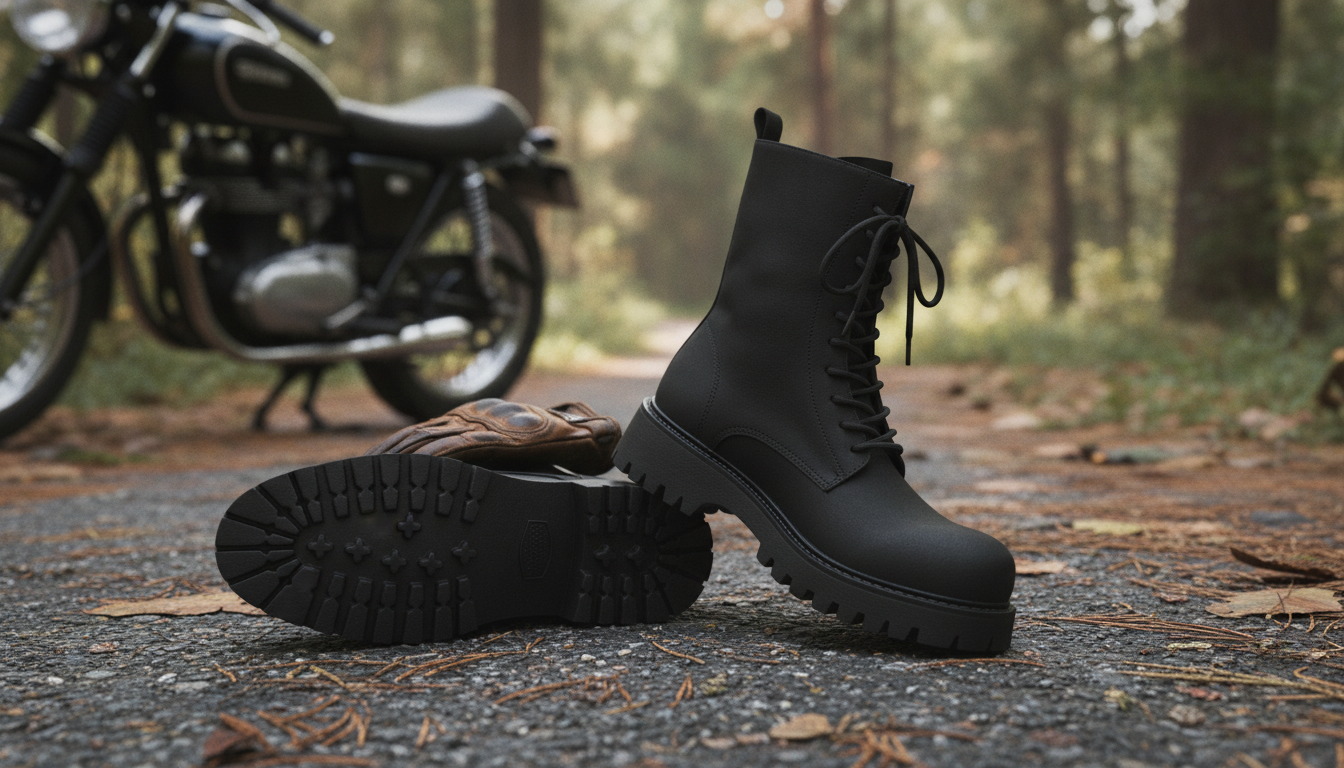
Black Vintage British Men’s Ankle Boots for Leather Outdoor and Motorcycle Wear
A rugged ankle boot with a vintage British look can bridge everyday outfits and demanding conditions—city walking, weekend rides, and cool-weather outdoor use. The right pair feels structured and capable without looking like technical gear, and it can move from denim to wool trousers without fighting the rest of your wardrobe. Below is a practical guide to what matters most in leather ankle boots with motorcycle-inspired styling: build quality, traction, comfort, care, and easy ways to wear them now. For more guidance, see Irish Setter | Purpose-Built Work Boots and Hunting Boots for Men ….
What Defines the Vintage British Ankle Boot Look
- An ankle-height profile that balances protection and mobility, sitting above the collar of most low-cut shoes without the bulk of tall boots.
- A clean, structured silhouette that pairs well with denim, chinos, and wool trousers; often styled with subtle paneling and minimal branding.
- A dark leather finish (black) that reads dressier than distressed browns while still fitting workwear and riding aesthetics.
- A sturdy outsole and a slightly rugged stance that signals outdoor readiness without looking like a hiking boot.
Leather, Lining, and Build Details to Look For
- Leather upper: prioritize a firm hand-feel and even grain; consistent coloration helps the boot age more predictably with conditioning.
- Stitching and reinforcement: look for tidy, dense stitches and reinforced stress points near the vamp and heel counter area.
- Collar comfort: a smooth collar edge reduces rubbing during longer walks or when standing on pegs.
- Hardware and closures: dependable eyelets/hooks or a secure closure system help with a locked-in fit and easier on/off.
- Footbed and midsole: cushioning and support matter for daily wear; a stable platform helps reduce fatigue on hard surfaces.
Outdoor Traction and All-Weather Practicality
- Outsole grip: deeper tread patterns help on wet pavement, light gravel, and uneven sidewalks.
- Heel stability: a solid heel and stable base can improve control while walking and standing for long periods.
- Water resistance expectations: leather can shed light moisture when treated, but prolonged exposure still requires care and drying routines.
- Cold-season comfort: thicker socks can improve warmth; leave a little room in sizing to avoid cramped toes.
- Break-in plan: short initial wears, then gradually longer sessions to let the leather flex and soften naturally.
Motorcycle-Inspired Use: Fit, Safety, and Ride Comfort
- Ankle coverage: ankle boots offer more protection than sneakers and many casual shoes, while staying flexible for daily use.
- Secure fit: aim for a snug heel (minimal lift) and comfortable toe room; overly loose boots can fatigue the foot on longer rides.
- Sole feel: a supportive sole helps reduce pressure points; avoid extremely soft soles if they compromise stability.
- Heat and abrasion reality check: style-forward boots are not a substitute for dedicated, certified motorcycle boots; pair with appropriate riding gear when needed.
- Post-ride care: wipe off road grime and dust to reduce premature leather drying and cracking.
For riders who want a reference point on protective footwear (materials, coverage areas, and typical performance features), see this overview from a motorcycle gear brand: Motorcycle protective footwear guidance. For further reading, see Motorcycle boot – Wikipedia.
At-a-Glance Feature Checklist
Use this checklist to compare boots quickly before choosing a pair for everyday wear, outdoor errands, and motorcycle-styled outfits. Focus on fit, outsole grip, leather condition, and closure reliability; these typically affect comfort and longevity the most.
| Feature | What to Check | Why It Matters | Quick Test |
|---|---|---|---|
| Leather upper | Even finish, minimal loose grain, firm structure | Ages better and holds shape | Press lightly—should rebound without feeling papery |
| Stitching | Tight, straight seams; reinforced stress points | Reduces blowouts and premature splitting | Look for skipped stitches and fraying ends |
| Outsole tread | Defined lug/tread pattern | Improves traction in wet or dusty conditions | Rub thumb over tread—should feel pronounced, not shallow |
| Heel hold | Minimal heel slip while walking | Prevents blisters and fatigue | Lace/fasten, then walk 20–30 steps |
| Toe room | Space to wiggle toes; no pinching | Comfort on long days and with thicker socks | Stand and lean forward—no toe jam |
| Closure security | Reliable laces/zip/hardware; easy to adjust | Locked-in fit and easier on/off | Tug-test the closure and check hardware alignment |
Featured Picks to Complete the Look
- Black Vintage British Men’s Ankle Boots – Leather Outdoor Motorcycle Style — a streamlined black ankle boot profile that works for commuting, casual wear, and motorcycle-inspired outfits.
- Luxury Large Capacity Bowling Shoulder Bag with Sausage Dog Pendant — a roomy, everyday carry option for errands or travel days when you want a polished accessory alongside rugged footwear.
How to Style Black Vintage Ankle Boots Without Looking Overdone
Sizing, Break-In, and Comfort Tuning
Leather Care for Long-Lasting Wear
For a straightforward breakdown of cleaning and conditioning fundamentals, this guide is a helpful reference: Leather care basics (cleaning, conditioning, protecting).
FAQ
Are leather ankle boots comfortable for all-day walking?
They can be, as long as heel hold is secure, toe room isn’t cramped, and the boot has enough underfoot support for hard surfaces. A gradual break-in and the right sock thickness make a bigger difference than many people expect, and a thin supportive insole can help if arch support feels lacking.
Can these boots handle light rain and wet pavement?
Yes—treated leather can handle light rain, and a defined tread helps with wet pavement. After exposure, let the boots air-dry away from direct heat and reapply water protection periodically to keep the leather from drying out.
Do motorcycle-style ankle boots replace dedicated riding boots?
No. They offer more coverage than sneakers and suit motorcycle-inspired styling, but they may not have certified impact and abrasion protection. For higher speeds or longer rides, pair them with appropriate riding gear designed for that purpose.











Leave a comment