Wall Mounted Cat Shelves Set: Plan, Install, Enjoy
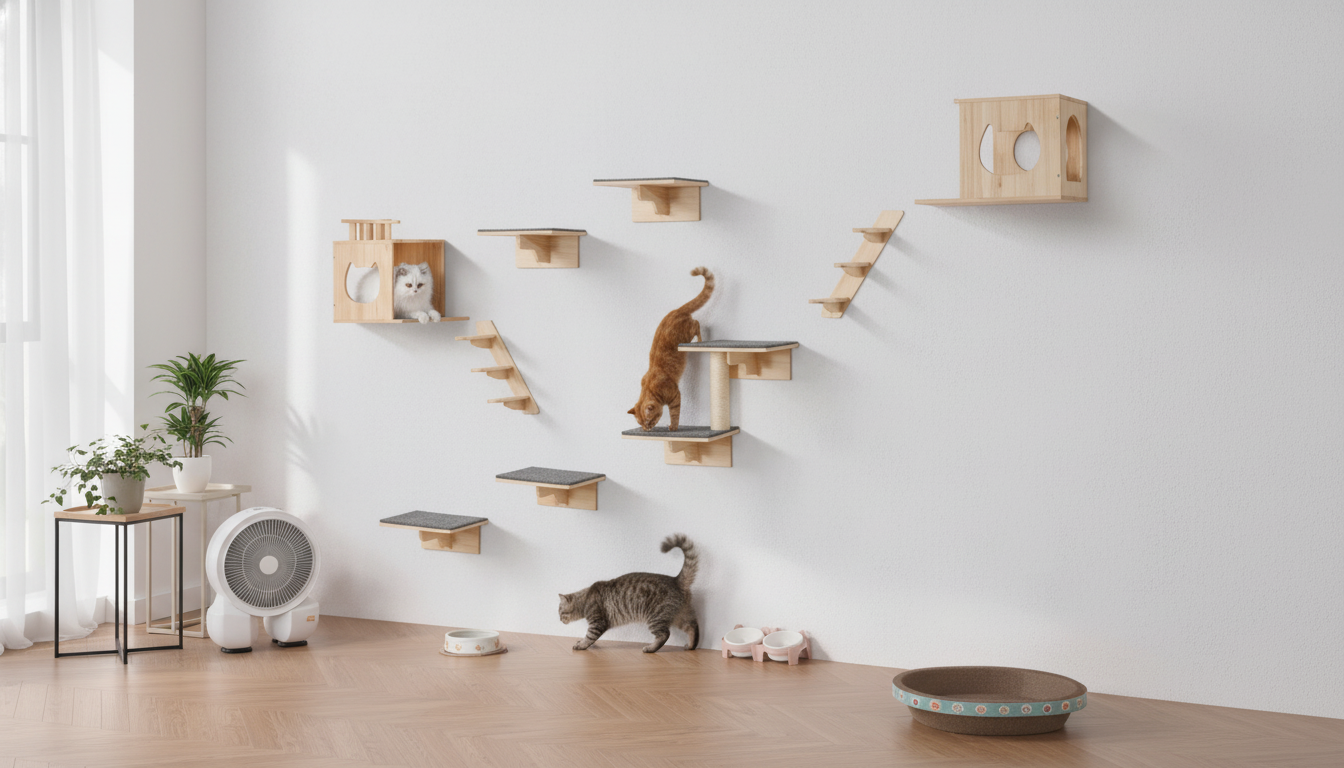
Wall Mounted Cat Shelves Set: Create a Safe Vertical Playground at Home
Wall-mounted cat shelves turn unused wall space into climbing paths, lounging ledges, and lookout spots that feel natural for cats. A well-planned set can reduce boredom, protect furniture by giving an approved “up high” zone, and make multi-cat homes calmer by adding vertical territory. This guide covers what a wall shelf set should include, how to plan a layout that suits different ages and sizes, and how to install and maintain a sturdy, easy-to-clean cat wall system.
Why wall-mounted shelves work for most cats
Cats are built to climb, perch, and observe. Adding shelves creates a “vertical territory” layer that many indoor spaces lack—especially apartments or homes where floor space is already busy.
- Security and comfort: Elevated resting spots help cats feel safe and in control of their environment, which can support calmer day-to-day behavior.
- Positive redirection: A dedicated climbing route can pull attention away from curtains, bookcases, and kitchen counters by offering an approved alternative.
- Multi-cat relief: Extra levels allow cats to pass with more distance, reducing confrontations and bottlenecks in hallways or doorways.
- Indoor enrichment: More movement opportunities add daily activity and mental stimulation—an important piece of enrichment emphasized by feline welfare organizations like AAFP and International Cat Care.
What to look for in a wall shelf set
Not all sets are equally comfortable or stable. The best options combine traction, strength, and a layout that supports both play and rest.
- Surface grip: Textured carpeting, felt, or anti-slip pads help prevent slipping during jumps, quick turns, and “launch” moments.
- Weight capacity and materials: Solid wood or reinforced panels paired with robust mounting hardware generally hold up better for larger cats and energetic leapers.
- Edge design and depth: Rounded edges and enough depth for a full-body loaf (not just paws) make shelves more inviting for lounging.
- Modularity: Flexible spacing and multiple configurations let you adapt as a kitten grows, a senior slows down, or household dynamics change.
- Easy cleaning: Removable or vacuum-friendly coverings reduce fur buildup and help prevent lingering odors over time.
Planning a cat wall layout (without making the room feel crowded)
A good layout feels like a natural route rather than random steps scattered across a wall. Think “base camp,” a clear path, and one or two favorite destinations.
- Start with a base camp: Place the first shelf at an easy height so your cat can access the system confidently. From there, build upward.
- Create a clear route: Aim for comfortable, repeatable jumps rather than one dramatic leap that your cat avoids after a single slip.
- Add a destination: Include at least one wide resting shelf near a window or quiet corner so the shelves become part of daily routine.
- Avoid hazards: Keep routes away from fragile décor, swinging doors, hot radiators, and kitchen prep zones.
- Respect household traffic: Many cats prefer quieter walls that don’t force them to travel over loud walkways or busy entry points.
Quick layout guide for comfortable spacing
| Cat type | Vertical step between shelves | Horizontal gap | Best placement notes |
|---|---|---|---|
| Kittens / agile adults | 10–14 in (25–35 cm) | 12–18 in (30–45 cm) | Add variety: staggered shelves, a higher lookout point, and a mid-level rest stop. |
| Average adult cats | 8–12 in (20–30 cm) | 10–16 in (25–40 cm) | Aim for smooth transitions; include at least one wide lounging shelf. |
| Senior cats / less mobile | 6–10 in (15–25 cm) | 8–14 in (20–35 cm) | Use shorter steps, more “landing” shelves, and place a first shelf near existing furniture for easy access. |
| Large breeds / heavy cats | 8–12 in (20–30 cm) | 10–16 in (25–40 cm) | Prioritize deeper shelves, stronger anchors, and fewer long leaps. |
Installation essentials for a secure, wobble-free result
Stability is the difference between a shelf system your cat trusts and one they avoid. Cat jumps create repeated impact forces, so install with that reality in mind.
Comfort and safety upgrades that make cats use the shelves more
Cleaning and long-term care
Wall Mounted Cat Shelves Set: a practical option for vertical play
If you want a straightforward way to build a vertical route, the Wall Mounted Cat Shelves Set is designed to create an elevated path for climbing and lounging while keeping floor space open. It works well for building a “cat highway” along a living room or hallway wall—especially in smaller homes where vertical territory matters.
In multi-pet homes, it can also help to create distinct “zones” so cats have a dog-free escape route. If you’re organizing shared spaces, pet furniture such as the 59″ Wooden Dog Crate Furniture for 2 Dogs can help define areas and reduce chaotic traffic, while the cat shelves provide a reliable elevated retreat.
FAQ
How high should the first cat shelf be?
Aim for an easy starting height most cats can reach confidently—often around sofa-seat height—then build upward in smaller steps. Senior cats typically do best with a lower first shelf and more intermediate “landing” shelves.
Can wall-mounted cat shelves hold a large cat?
They can, but capacity depends on shelf materials, bracket design, and whether the system is mounted into studs or properly rated anchors. Always check the product’s weight rating and prioritize stud mounting (or heavy-duty anchors suited to your wall type) for larger, heavier cats.
How do you get a cat to use wall shelves?
Make the first step easy and rewarding: add a familiar blanket, use treats or a small amount of catnip, and place a popular perch near a window or quiet corner. Avoid forcing your cat onto the shelves; gentle rewards for calm exploration usually build confidence quickly.









Leave a comment