Pure One Air Cordless Vacuum: Daily Cleaning Made Easy
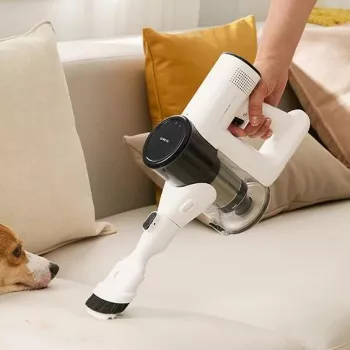
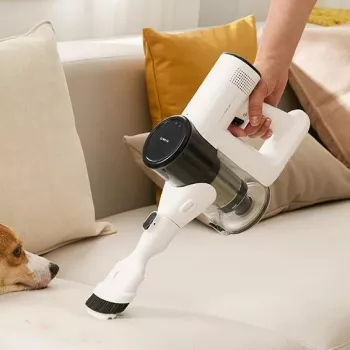
Pure One Air Cordless Vacuum Cleaner: Everyday Cleaning Without the Cord
A cordless vacuum is only as good as its real-life usability—how it feels in-hand, how easily it moves from floors to furniture, and how simple it is to maintain between deeper cleanings. The goal is a cleaner home with less friction: quick crumbs after breakfast, pet hair on the couch before guests arrive, and a fast reset in high-traffic areas. Below is a practical guide to choosing daily-friendly features, using a cordless vacuum efficiently across common surfaces, and keeping pickup performance steady over time.
What Makes a Cordless Vacuum Practical Day to Day
For everyday cleaning, “power” matters—but so does the way the vacuum behaves in normal life. These are the details that often decide whether it gets used daily or sits in a closet.
- Comfort and control: Weight distribution, handle angle, and maneuverability can matter as much as suction when you’re doing quick pick-ups and reaching under furniture.
- Versatility: A cordless vacuum should transition smoothly from floors to upholstery, stairs, corners, and car interiors without feeling awkward or top-heavy.
- Runtime expectations: Real cleaning time changes with power mode, floor type, and how often you lift the head off the surface (lifting increases airflow loss and can shorten effective runtime).
- Ease of emptying: A dustbin that empties cleanly reduces the “dust puff” moment and makes frequent use more appealing.
- Maintenance time: Washable filters, easy brush access, and straightforward clog checks help performance stay consistent week after week.
Quick Specs Snapshot
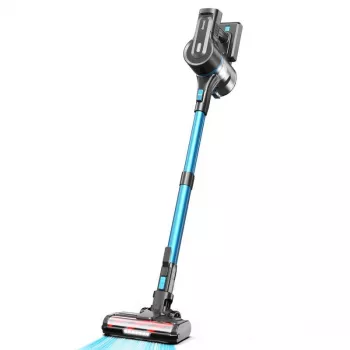
If you want a cordless vacuum designed for frequent touch-ups and room resets, the Pure One Air Cordless Vacuum Cleaner is currently in stock at $409.01 (USD). A cordless format is especially useful for daily crumbs on hard floors, low- to medium-pile rugs, and pet hair on furniture—especially when paired with the right attachments.
For pet households, keeping hair from collecting around living spaces can also be easier when pet zones are organized. A piece like the 59″ Wooden Dog Crate Furniture for 2 Dogs, Double Rooms with Drawers & Divider can help define where pets rest (and where hair tends to gather), making daily vacuum passes faster and more targeted. And if clutter at the entryway is part of the mess cycle, a dedicated carryall like the Luxury Large Capacity Bowling Shoulder Bag with Sausage Dog Pendant can help keep small items contained so floors stay clearer for quick vacuuming.
At-a-Glance Comparison for Common Cleaning Tasks
| Cleaning task | What to prioritize | Helpful tip |
|---|---|---|
| Hard floors (daily crumbs, dust) | Sealed suction + smooth head glide | Use a lower power mode to extend runtime and reduce scattering |
| Rugs and mats | Brush agitation + consistent airflow | Make slower passes; quick back-and-forth can miss embedded grit |
| Pet hair on upholstery | Targeted tool + filtration | Short strokes in alternating directions lift hair from fabric weave |
| Stairs | Lightweight handling + crevice access | Start at the top step and work down to avoid re-soiling |
| Car interior | Crevice reach + compact handling | Vacuum seats first, then mats, then final pass on floor wells |
How to Get Better Results on Floors and Rugs
A cordless vacuum shines when you use it like a daily tool rather than a once-a-week event. A few technique tweaks can noticeably improve pickup—especially on mixed flooring.
- Use a two-pass pattern: One slow forward pass to lift debris, then a backward pass to capture what agitation loosened.
- Reduce scatter on hard floors: Keep the head flat and move steadily. Jerky starts can flick crumbs outward, turning one pile into three.
- Treat entry zones as high-traffic: A quick daily pass near doors prevents gritty particles from being tracked deeper into the home (and from acting like sandpaper on flooring finishes).
- Overlap on rugs: Overlap strokes by about one-third of the head width to avoid missed lanes—especially near couch edges where debris collects.
- If suction feels reduced, check clogs first: Common choke points include wand bends and the intake area near the floor head.
If you’re aiming to improve indoor air quality while cleaning, it helps to pair good vacuum habits with general guidance from authoritative sources like the EPA’s indoor air quality resources.
Using Attachments for Furniture, Corners, and Pet Hair
For cleaning routines that balance “clean” with healthy handling practices, the CDC’s cleaning guidance is a helpful reference point for households and shared spaces.
Battery Habits That Help Preserve Performance
If you like comparing efficiency considerations across home products, ENERGY STAR’s product guidance is a good place to review general efficiency factors (even when specific models differ).
Cleaning and Maintenance Routine
Who This Cordless Style Fits Best
FAQ
How often should the filter be cleaned or replaced?
For light use, plan to check and clean the filter about every 2–4 weeks; for heavy use (pets, daily vacuuming), weekly checks are often better. If the filter is washable, let it dry completely before reinstalling. Reduced airflow, lingering odors, or visible discoloration are signs it’s time to clean or replace.
Why does suction drop even when the battery is charged?
The most common causes are a clogged wand or floor head, an overfilled bin, a dirty filter, a seal that isn’t seated properly, or a brush roll jam. Check in this order: empty the bin, inspect/clean the filter, look for clogs at the head intake and wand bends, then confirm the brush roll spins freely and seals are snug.
Is a cordless vacuum enough for a whole home?
It depends on home size, floor types, and whether you’re cleaning a little every day or trying to do the entire house in one session. Many households use a cordless vacuum for daily maintenance and quick resets, then supplement with periodic deeper cleaning for carpets, corners, and under-furniture buildup.







Leave a comment