Luxury Crystal Pendant Light: Living Room & Bedroom Tips
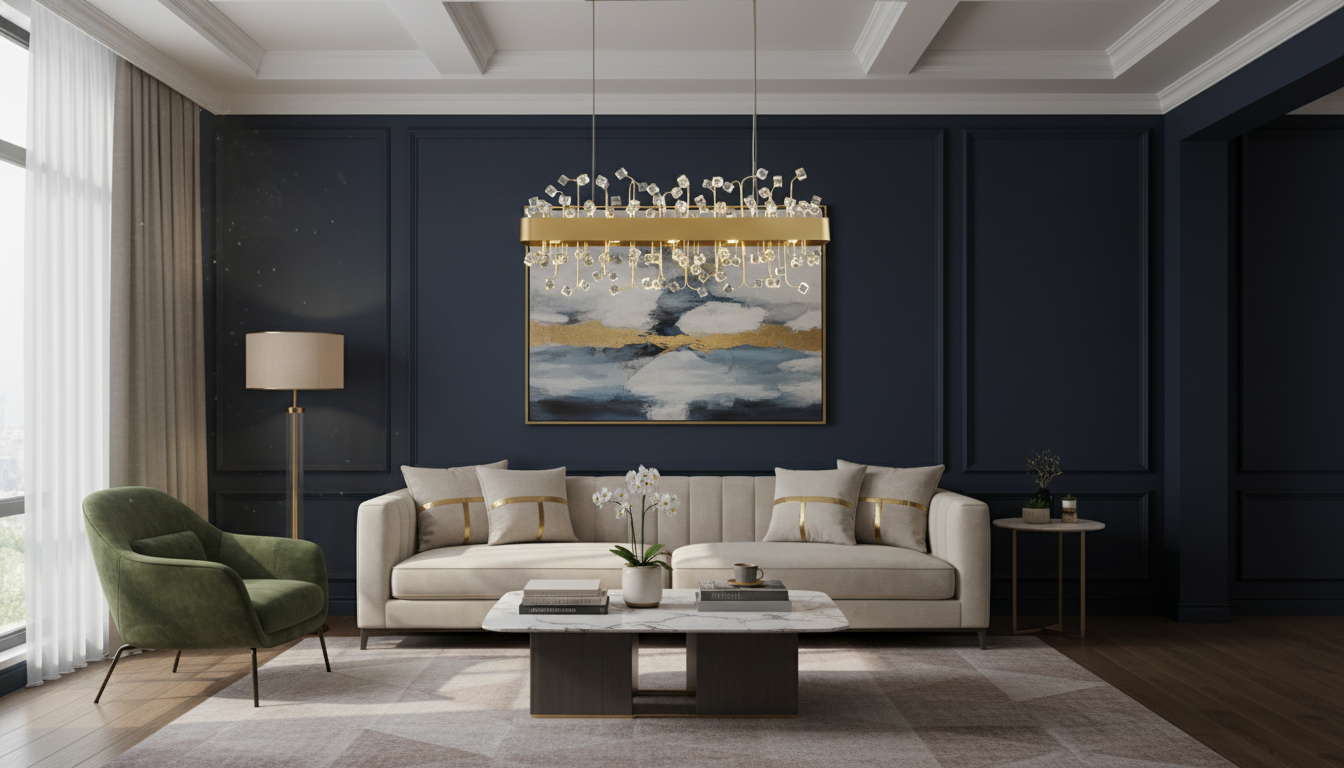
Luxury Crystal Pendant Light for Living Room and Bedroom
A crystal pendant can transform a room by layering sparkle with practical illumination. The right design balances proportions, hanging height, and bulb choice so the light feels elegant in the living room and calming in the bedroom—without glare or harsh hotspots. For more guidance, see What kind of bed should I get for my dog with arthritis?.
What Makes a Crystal Pendant Feel Truly Luxurious
Not every “crystal” fixture reads as high-end once it’s installed and turned on. A truly luxurious crystal pendant looks refined in daylight, then comes alive at night with controlled, flattering shimmer. For further reading, see How to Choose the Perfect Pet Bed for Your Dog’s Sleeping Style.
- Crystal clarity and precision cuts: Higher-clarity crystal and crisp facets refract light into softer, prismatic highlights instead of sharp, distracting flashes.
- Metal finish quality: Consistent plating, clean seams, and durable hardware keep the fixture looking polished over years of use—especially in frequently used living spaces.
- Glare control by design: A well-designed diffuser, inner shade, or thoughtful crystal geometry helps hide the harshness of a visible bulb while preserving the “sparkle.”
- Secure weight and suspension: A luxury pendant should feel stable and intentional—no wobble, no rattling, and no flimsy canopy or chain that cheapens the look.
Best Placement Ideas for Living Rooms
In living rooms, crystal pendants work best when they act like jewelry: a focal point that elevates the space, supported by other lighting that keeps the room comfortable.
- Centerpiece over a seating area: Align the pendant with the coffee table or main conversation zone so it visually “anchors” the layout.
- Layer with other lighting: Let the pendant deliver style and sparkle, while recessed lights, sconces, or floor lamps provide smoother ambient coverage.
- Use multiples only when scale supports it: Pairs or a trio can look stunning in a large room, but spacing should relate to furniture width to avoid a crowded ceiling line.
- Avoid direct bulb sightlines: If the bulb is visible from the sofa, glare becomes the first thing people notice. Choose a bulb and shade setup designed to soften the view.
Placement Guidelines (Quick Reference)
| Location | Typical approach | Comfort notes |
|---|---|---|
| Living room seating area | Center over the main zone or coffee table | Keep glare low; aim for soft sparkle rather than direct brightness |
| Bedroom nightstands (pair) | Two small pendants instead of table lamps | Hang high enough for easy reach but low enough to read comfortably |
| Bedroom center | Single statement pendant | Use dimming to switch from bright tasks to relaxed evenings |
Best Placement Ideas for Bedrooms
Bedrooms benefit from crystal when the light feels tranquil rather than intense. Think “hotel ambiance”: elegant presence, gentle brightness, and easy control.
- Go dimmable for a central pendant: A statement fixture can look dramatic overhead, but dimming is what makes it livable when winding down.
- Swap bedside lamps for matching pendants: This modern move keeps symmetry, frees up nightstand surface area, and creates a tailored, boutique feel.
- Keep the color temperature inviting: Warm-to-neutral white light tends to make crystal highlights look soft and flattering rather than icy.
- Adapt the drop for low ceilings: A shorter hang maintains head clearance and preserves an open, airy look over the bed.
Sizing and Hanging Height That Looks Intentional
Even a beautiful crystal pendant can feel “off” if the scale or height doesn’t suit the room. The goal is to make the fixture look integrated—like it was planned with the furniture layout from the start.
Bulbs, Brightness, and Dimming for Crystal Fixtures
- Choose compatible LED bulbs: Match the base type and confirm compatibility with your dimmer. Efficient LED guidance from ENERGY STAR can help narrow options for performance and efficiency.
- Stick to warm white for cozy rooms: Around 2700K–3000K tends to flatter bedrooms and living rooms, keeping reflections gentle and skin tones natural.
- Reduce glare with bulb shape/finish: If the bulb is directly visible, consider a frosted bulb or a lower-glare profile to soften hotspots through the crystal.
- Don’t rely on one ceiling light alone: If the pendant is the primary light, add floor lamps or sconces so the room doesn’t feel like it has a single “bright center.” Lighting terminology and best practices from the Illuminating Engineering Society can be useful when planning layers.
For peace of mind, confirm the fixture’s safety markings and installation guidance; resources from UL Solutions can clarify what common certifications mean.
Care, Cleaning, and Long-Term Shine
A Statement Option to Consider
- Luxury Crystal Pendant Light for Living Room and Bedroom: A high-impact centerpiece designed to bring refined sparkle to both entertaining spaces and restful rooms.
- 2-3 Person Low EMF FAR Infrared Sauna with Tempered Glass and App Control: A spa-style addition that pairs naturally with a calming, hotel-like bedroom atmosphere.
- 59″ Wooden Dog Crate Furniture for 2 Dogs, Double Rooms with Drawers & Divider: A furniture-forward way to keep pet spaces visually cohesive in living areas.
FAQ
Can a crystal pendant be used as the main light in a living room?
Yes, but it’s most comfortable when paired with a dimmer and supplemented by floor lamps, sconces, or recessed lights so the room doesn’t rely on a single bright source.
What light color looks best with crystal in a bedroom?
Warm-to-neutral white is typically the most relaxing and flattering, and a dimmer helps keep sparkle subtle and soothing at night.
How do you clean a crystal pendant without damaging it?
Turn off power first, dust regularly with a microfiber cloth, and use a gentle non-abrasive cleaner for deeper cleaning while keeping moisture away from electrical components.










Leave a comment