Cordless 12V Tire Inflator with Digital PSI Display
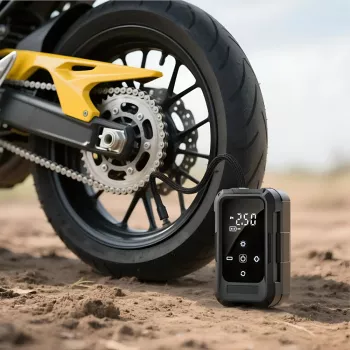
12V Electric Portable Tire Inflator with Digital Display – Cordless Air Pump
A compact tire inflator can turn a slow leak or low-pressure warning into a quick, controlled top-up instead of a roadside delay. This cordless 12V portable pump pairs a digital display with push-button controls for straightforward pressure setting, making it a practical add-on for daily driving, road trips, and emergency kits.
What This Portable Inflator Helps With
Tire pressure naturally drifts over time, and it can drop quickly with cold snaps or small punctures. Having a portable inflator nearby helps you respond early—before uneven wear, reduced handling confidence, or another warning light shows up.
- Restores tire pressure after temperature swings, minor leaks, or long highway drives
- Reduces uneven tire wear and helps maintain predictable handling by keeping pressure closer to the vehicle’s recommendation
- Adds convenience for topping up car tires, motorcycle tires, bicycle tires, and common inflatables when compatible adapters are used
- Useful for pre-trip checks, especially when a service station air hose is unavailable or unreliable
- Supports quick corrections after a tire has been repaired (plug/patch) and needs monitoring
For broader safety guidance and tire fundamentals, review the NHTSA’s tire safety resource at https://www.nhtsa.gov/equipment/tires.
Standout Features
This style of inflator is built for fast “top-ups” and readable monitoring—two things that matter most when you’re trying to match a specific PSI number in a parking lot or driveway.
- Digital display for readable pressure monitoring during inflation
- Cordless design for easier positioning around the vehicle without managing a long hose/cable layout
- 12V power format commonly associated with vehicle-ready portability
- Compact form factor suited to storage in a trunk organizer, glove box compartment (space permitting), or emergency bag
- Simple control flow: connect, select/confirm pressure target (if supported), inflate, and re-check
Quick Reference: Specs & Practical Details
Portable inflators are most useful when they’re easy to find and easy to trust. A few habits make a big difference—like storing it in the same spot, keeping adapters together, and double-checking when tires cool down.
- Keep the product in a consistent storage spot so it’s easy to find when a warning light appears
- Check what accessories are included (nozzle/adapters) based on intended use beyond car tires
- Plan to verify final pressure with the built-in display, then re-check once the tire cools if it was driven on recently
At-a-Glance Checklist
| Item | Why it matters |
|---|---|
| Digital display | Helps track pressure changes while inflating and improves readability in low light. |
| Cordless portability | Makes it easier to reach all four tires and maneuver around parked vehicles. |
| 12V format | Common standard for vehicle-focused inflators and travel kits. |
| Storage size | Fits better in a trunk kit so it’s available when needed. |
| Use cases | Supports tire top-ups and can be handy for bikes or inflatables with the right attachment. |
How to Use It Safely and Accurately
Accuracy comes from using the correct target PSI and taking readings at the right time. If you inflate based on the wrong number—or check after a drive without accounting for heat—you can end up chasing the pressure up and down.
- Start with the vehicle’s recommended tire pressure from the driver door jamb sticker (not the tire sidewall maximum).
- Inflate when tires are cold whenever possible; if the car was driven, expect higher readings and re-check later.
- Attach the hose/connector firmly to the valve stem to prevent leaks that can skew readings.
- Increase pressure in short bursts and re-check, especially when approaching the target PSI.
- Avoid continuous long run times; allow the unit to rest if it becomes hot, following any included guidance.
Maintaining proper tire pressure can also support efficiency and reduce unnecessary rolling resistance. For a practical overview, see the U.S. Department of Energy guidance at https://www.fueleconomy.gov/feg/maintain.shtml.
Where This Inflator Fits Best
A cordless digital inflator is a “small tool, big payoff” item—especially for people who want control and consistency without depending on a station compressor.
- Daily commuters who want a fast way to correct low pressure without hunting for a gas station air pump
- Road-trippers building a compact roadside kit alongside a gauge, flashlight, and basic tools
- Families with multiple vehicles who prefer keeping one portable pump in a shared garage or trunk rotation
- Drivers in colder climates where pressure drops are more frequent and top-ups are needed more often
Care, Storage, and Maintenance Tips
Most issues with portable inflators come down to storage and readiness. Keeping the unit clean, charged (if applicable), and test-run occasionally helps ensure it performs when you actually need it.
Product Options Available Now
- 12V Electric Portable Tire Inflator with Digital Display – Cordless Air Pump — $32.97 (In stock)
- Luxury Large Capacity Bowling Shoulder Bag with Sausage Dog Pendant — $61.97 (In stock)
FAQ
What tire pressure should a car tire be set to?
Use the recommended cold PSI listed on the driver-side door jamb placard. The number molded on the tire sidewall is the tire’s maximum rating, not the correct target for everyday driving.
Can a cordless inflator handle all four tires?
It can typically top up multiple tires, but results depend on how low the tires are, tire size, and the inflator’s runtime. For best results, use short bursts, allow brief cool-down pauses, and keep the unit charged so it’s ready when needed.
Why does tire pressure change after driving?
Driving heats the air inside the tire, which increases pressure and can raise the reading temporarily. Check and set pressure when tires are cold when possible, and if you inflate after driving, re-check later once the tires cool down.










Leave a comment