8-Cup Digital Rice Cooker & Steamer with Rinse Basket
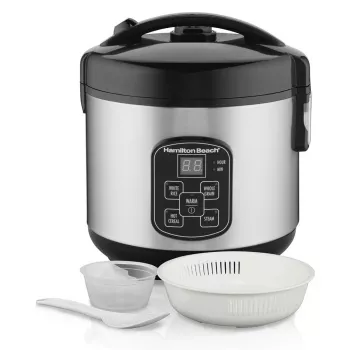
8-Cup Digital Programmable Rice Cooker & Steamer with Rinse Basket
A digital rice cooker can take rice from “good enough” to consistently fluffy and evenly cooked with minimal effort. This 8-cup programmable cooker adds steaming and a dedicated rinse basket to streamline prep, reduce mess, and make weeknight grains, steamed vegetables, and simple one-pot meals easier to repeat.
What makes this cooker different
Not all rice cookers are built for the way people actually cook during a busy week. This model focuses on the small friction points—timing, rinsing, and coordinating sides—so dinner comes together with fewer steps and less cleanup.
- 8-cup capacity: A practical size for small families, meal prep, and everyday side dishes without running an oversized appliance.
- Digital programmable controls: More predictable timing and heat management for repeatable results across different batches.
- Steamer function: Lets you steam vegetables, fish, dumplings, or gently reheat food without relying on a microwave.
- Dedicated rinse basket: Helps wash and drain rice neatly, reducing starchy splashes and extra colanders at the sink.
If you want a simple path to consistent bowls of rice—plus the ability to steam a side at the same time—this combination is the main advantage.
Key features at a glance
Digital cookers are popular because they reduce guesswork: you set the program, walk away, and come back to rice that’s ready to serve. The added rinse basket and steamer tray make the workflow smoother from prep through plating.
- Programmable cooking: Handy for busy schedules and multitasking in the kitchen.
- Keep-warm style serving: Typical of digital cookers, it supports flexible mealtimes—rice can finish early and stay warm while you finish the rest.
- Rinse basket included: Helps remove surface starch for a cleaner, less gummy texture (especially for jasmine, sushi rice, and basmati).
- Steaming capability: Expands beyond rice—vegetables, eggs, dumplings, and gentle reheating all fit the same routine.
| Feature | Why it matters | Best for |
|---|---|---|
| 8-cup capacity | Balances countertop footprint with practical batch size | Families, meal prep, potlucks |
| Digital programmable controls | More consistent cooking cycles than basic on/off models | White rice, brown rice, mixed grains |
| Steamer function | Cook sides while rice cooks | Vegetables, fish, dumplings |
| Rinse basket | Faster rinsing and draining with less mess | Jasmine, sushi rice, basmati |
| Keep-warm style serving | Holds rice at serving temp for a period of time | Staggered dinners, hosting |
How to use the rinse basket for better rice texture
Rinsing is one of the quickest ways to improve texture. It removes loose surface starch so grains cook up cleaner and less sticky (unless you’re intentionally aiming for extra cling).
- Measure first, then rinse: Place rice in the rinse basket, run cool water over it, and swirl gently until the water runs clearer—often 2–4 rinses for jasmine or sushi-style rice.
- Drain thoroughly: Let the rice drip for a moment; excess water can soften grains and throw off consistency.
- Use the cooker’s water guidance: Follow the marked levels or your preferred ratio. Rinsed rice may need slightly different water depending on the grain.
- Brown rice and mixed grains still benefit: Even if the water never becomes fully clear, rinsing helps remove dust and debris.
A small habit change—rinse, drain, then cook—can make weeknight rice taste more “restaurant-right” without changing anything else.
Cooking results by grain type
Different grains absorb water at different rates, so the best results come from a small adjustment in rinsing, soaking, and resting time after the cooker finishes.
| Grain | Rinse/soak guidance | Texture tip |
|---|---|---|
| Jasmine/white | Rinse 2–4 times | Use slightly less water for firmer grains |
| Sushi rice | Rinse until mostly clear | Rest after cooking for better cohesion |
| Brown rice | Rinse; optional 20–30 min soak | Fluff and rest before serving |
| Basmati | Rinse; optional 10–20 min soak | Rest with lid on to finish steaming |
Steaming while rice cooks: simple meal pairings
- Vegetables: Broccoli, carrots, green beans, and zucchini steam reliably. Cut pieces evenly so everything finishes together.
- Proteins: Fish fillets or shrimp can be gently steamed; season lightly and check early to avoid overcooking.
- Dumplings and buns: Steam in a single layer; line the tray if sticking is an issue.
- Batch cooking: Make rice plus steamed vegetables for meal-prep bowls. Cool cooked foods quickly and refrigerate promptly for food safety (see guidance from the USDA Food Safety and Inspection Service and the CDC).
Cleaning and care that keeps performance consistent
Who this 8-cup cooker fits best
For a broader view of whole grains versus refined grains in everyday eating, the Harvard T.H. Chan School of Public Health provides a clear overview here: The Nutrition Source – Carbohydrates.
Shop in-stock picks
- 8-Cup Digital Programmable Rice Cooker & Steamer with Rinse Basket
- 2-3 Person Low EMF FAR Infrared Sauna with Tempered Glass and App Control
- Luxury Large Capacity Bowling Shoulder Bag with Sausage Dog Pendant
FAQ
How many servings does an 8-cup rice cooker make?
“8-cup” often refers to cooked rice capacity, which typically yields about 6–8 side-dish servings or around 4–6 larger portions, depending on appetites and the grain. Also note that many rice cookers use a smaller included measuring cup rather than a standard U.S. cup.
Do you need to rinse rice before using a rice cooker?
Rinsing isn’t mandatory, but it often improves texture by removing surface starch, especially for jasmine, sushi rice, and basmati. With a rinse basket, rinsing and draining can be faster and less messy than using a separate colander.
Can vegetables be steamed at the same time as rice?
Yes—use the steamer tray to cook vegetables while rice cooks below. Add tender vegetables later so they don’t over-soften, and cool/store leftovers promptly to keep meals safe.










Leave a comment