15-Bar Espresso Machine + Steam Wand: Home Lattes
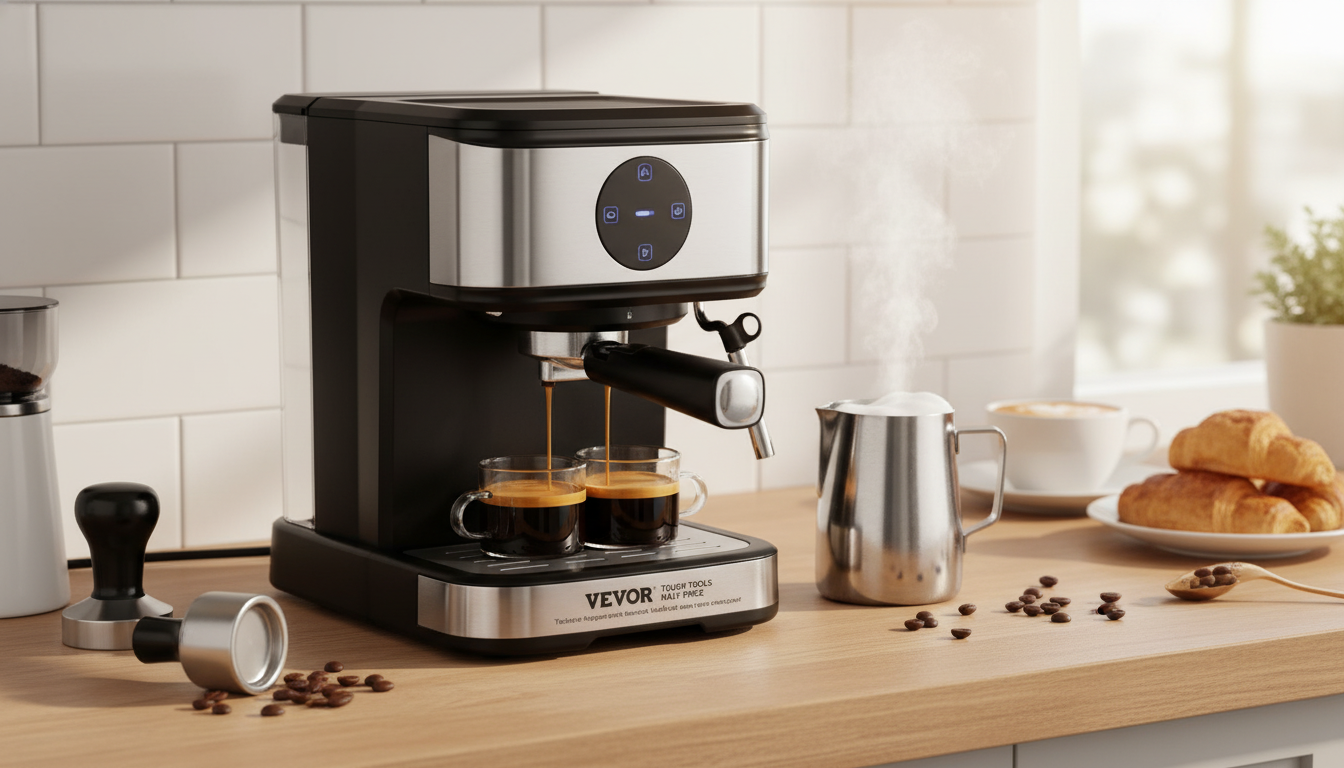
15-Bar Espresso Machine with Milk Frother & Steam Wand: Café-Style Espresso and Milk Drinks at Home
A 15-bar espresso machine with a steam wand brings two essentials together: pressure for rich espresso and steam power for silky milk. The result is a compact setup that can handle straight shots and milk-based favorites like cappuccinos and lattes without extra gadgets. This guide breaks down what matters most—pressure, temperature, steaming technique, daily workflow, and care—so consistent results come faster and cleanup stays simple.
What 15-Bar Pressure Does for Espresso
Pressure is the engine of espresso. In a home machine, a 15-bar pump is designed to create enough force to push hot water through a tightly packed bed of fine coffee, producing a concentrated shot topped with crema.
- Builds the force needed to push hot water through finely ground coffee for a concentrated shot with crema.
- Helps deliver fuller body and stronger aroma when grind size, dose, and tamp are balanced.
- Works best with fresh beans and a grinder that can produce espresso-fine grounds; pre-ground coffee can be less consistent.
Keep expectations grounded: pump rating is only one part of the system. Bean freshness, grind consistency, puck prep, and temperature stability have just as much influence on flavor and flow.
Steam Wand Basics: From Warm Milk to Microfoam
A steam wand can do two different jobs depending on how you position it: simply heating milk, or creating microfoam for cappuccinos, lattes, and flat-white-style drinks.
- Warm milk: keep the wand tip slightly deeper to heat quickly with minimal foam for café au lait-style drinks.
- Microfoam: start with the tip just at the surface to introduce air (“stretching”), then submerge slightly to texture into glossy foam.
- Aim for a smooth, paint-like swirl with tiny bubbles; large bubbles usually mean too much air or a weak vortex.
- Milk temperature targets: warm and sweet around 130–150°F (54–65°C); avoid overheating, which can taste cooked and reduce texture.
If you’re learning, start with cold milk and a chilled metal pitcher. The extra time before reaching target temperature makes it easier to control aeration and texture.
Dialing In Espresso: A Simple Workflow
Consistency beats complexity. A repeatable routine makes it easier to adjust one variable at a time and quickly reach a shot that tastes balanced.
- Preheat: run a short shot of hot water through the group to warm the pathway and cup.
- Dose and grind: start with a consistent dose; adjust grind finer if shots run fast or taste sour, coarser if slow or bitter.
- Tamp evenly: press level to reduce channeling; wipe stray grounds from the rim before locking the portafilter.
- Shot timing: use time and yield as guides; keep changes small and only adjust one variable at a time.
- Taste checkpoints: sour often indicates under-extraction (too coarse/too fast), bitter often indicates over-extraction (too fine/too slow).
Quick shot troubleshooting
| Symptom | Likely cause | Adjustment to try |
|---|---|---|
| Watery, pale crema, fast flow | Grind too coarse or under-dosed | Grind finer; increase dose slightly; tamp more evenly |
| Drips slowly or chokes | Grind too fine or over-dosed | Grind coarser; reduce dose slightly; check puck prep |
| Sour taste | Under-extracted | Finer grind; slightly longer shot; ensure machine is warmed up |
| Harsh/bitter taste | Over-extracted or too hot | Coarser grind; shorter shot; avoid overheating the milk |
Making Milk Drinks That Taste Balanced
Once the espresso tastes good on its own, milk drinks become easier to balance. The goal is harmony: coffee intensity that still shows through, plus milk sweetness and a texture that feels integrated rather than foamy.
Daily Cleaning and Long-Term Care
For broader best practices on coffee prep and beverage quality, see resources from the Specialty Coffee Association (SCA) and general brewing guidance from the National Coffee Association. For safe handling and storage of dairy, review the USDA Food Safety and Inspection Service basics.
Feature Checklist Before Buying
At-a-glance evaluation
| What to look for | Why it matters |
|---|---|
| 15-bar pump pressure | Supports espresso extraction and crema when paired with proper grind and puck prep |
| Steam wand with purge/wipe routine | Enables microfoam and helps prevent clogs and sour milk residue |
| Easy-to-clean brew components | Improves consistency and reduces off-flavors over time |
| Stable heat delivery | More predictable shots and smoother milk texture |
Recommended Option
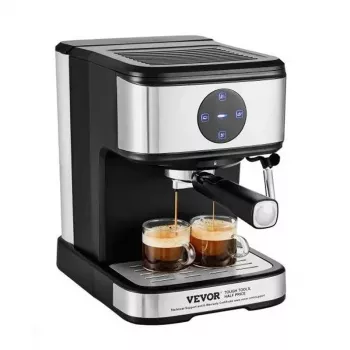
- 15-Bar Espresso Machine with Milk Frother & Steam Wand — a one-unit setup designed for espresso plus steamed milk drinks with a wand for texturing.
More in-stock picks for home and daily routines
- 2-3 Person Low EMF FAR Infrared Sauna with Tempered Glass and App Control — a comfort-focused upgrade for a wellness corner at home.
- Luxury Large Capacity Bowling Shoulder Bag with Sausage Dog Pendant — a roomy everyday bag for commuting and errands.
FAQ
How long should milk be steamed with a steam wand?
Steam until the milk reaches about 130–150°F (54–65°C). For microfoam, spend the first few seconds aerating with the tip near the surface, then submerge slightly to texture until the pitcher feels hot to the touch.
Why is my espresso coming out too fast and tasting sour?
This usually points to under-extraction. Try grinding finer, confirming your dose is adequate, tamping level, and fully preheating the machine; make small changes one at a time and watch for channeling in the puck.
Do 15-bar machines make better espresso than lower-bar machines?
Not automatically—pressure rating alone doesn’t determine shot quality. Grind consistency, puck prep, temperature stability, and bean freshness often matter more, but a 15-bar pump can be very capable when the rest of the setup is dialed in.











Leave a comment