Kid-Led Meal Planning: Weekly System for Balanced Dinners
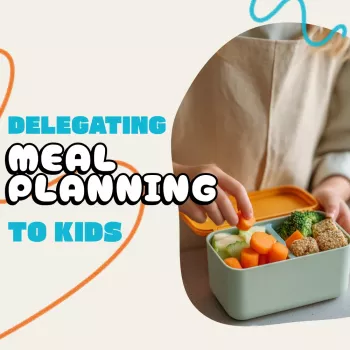
Delegating Meal Planning to Kids: A Practical Family System for Nutrition and Responsibility
Meal planning can become a shared family skill instead of a parent-only chore. With age-appropriate roles, simple nutrition guardrails, and a repeatable weekly routine, kids can help choose balanced meals, build grocery lists, and learn real-life responsibility—without turning dinner into a battle.
Why letting kids plan meals works
When kids participate in planning, they’re not just “helping”—they’re practicing life skills that show up at the table every day.
- Builds decision-making: kids practice choosing from options, weighing trade-offs, and committing to a plan.
- Improves food literacy: repeated exposure to ingredients, labels, and portions makes nutrition less abstract.
- Reduces mealtime conflict: shared ownership often leads to more willingness to try what they helped choose.
- Teaches budgeting and waste reduction: planning around what’s already in the fridge and using leftovers becomes a visible habit.
- Creates predictable rhythms: a weekly planning routine lowers daily “what’s for dinner?” stress.
Set family nutrition guardrails (so kids can choose freely inside boundaries)
The goal isn’t perfect eating—it’s clear boundaries that make choices easier. If your family needs a simple reference, the USDA’s MyPlate framework is a helpful visual for balanced meals.
- Use a simple “balanced plate” rule: include a protein, a fruit/vegetable, and a carbohydrate (whole grain when possible); add a dairy or calcium-rich option as needed.
- Agree on weekly minimums: number of veggie sides, fish/legume nights, and homemade meals versus takeout.
- Define the “sometimes foods” plan: how many desserts/sugary drinks/snacks per week and what counts.
- Create a short approved list: 10–20 family dinners kids can mix-and-match; expand it slowly.
- Add allergy/safety rules: choking hazards for younger kids, safe knife rules, and cross-contamination basics.
Simple guardrails by age
| Age range | What kids decide | Parent sets | Skill focus |
|---|---|---|---|
| 3–5 | Pick 1 fruit and 1 vegetable for the week; choose between two dinner options | All ingredients, portions, and cooking steps | Naming foods, colors, trying one bite |
| 6–8 | Choose 2–3 dinners from an approved list; help build snack box | Budget limit, nutrition minimums, prep tasks | Reading simple labels, washing/peeling, measuring |
| 9–12 | Plan 3–4 dinners; draft grocery list; choose lunches | Final review, budget, cooking supervision | Balanced meals, basic cooking, time management |
| 13+ | Plan most of the week; price-compare; cook 1–2 full meals | Safety, dietary goals, household schedule | Independence, budgeting, batch cooking |
A weekly routine that keeps everyone on track
A simple routine turns planning into a quick family meeting instead of a daily negotiation.
- Pick a consistent planning time (10–20 minutes): weekend morning or a weeknight after dinner.
- Start with inventory: check fridge, freezer, and pantry; flag items that must be used first.
- Choose the week’s dinners: assign one “kid-planned” night per child (or rotate weeks if time is tight).
- Add quick wins: include at least one low-effort meal (sheet pan, slow cooker, leftovers) for busy days.
- Build the grocery list from the menu: group by store section (produce, dairy, proteins, pantry) to reduce forgotten items.
- Confirm the calendar: align meals with practices, late meetings, and social events.
- Post the plan where everyone sees it: kids know what’s coming, and expectations are clear.
Kid-friendly roles that actually help (not just create mess)
Clear roles prevent “helping” from becoming extra work. Rotate jobs weekly so everyone learns the full system.
- Menu captain: chooses meals within the family guardrails and writes the menu.
- Grocery helper: checks off items as they’re found; learns departments and basic price awareness.
- Prep lead: washes produce, tears greens, measures ingredients, sets up a simple “prep station.”
- Leftover manager: labels containers, tracks “eat first” items, and suggests leftover lunches.
- Taste tester: helps season and adjusts with parent guidance (salt limits for younger kids; herbs/spices encouraged).
- Cleanup closer: resets the kitchen after cooking with a short, consistent checklist.
For nutrition guidance that supports healthy growth without turning food into a power struggle, the American Academy of Pediatrics offers practical, age-based resources on HealthyChildren.org.
A checklist system to make meal planning teachable
Kids learn faster when the steps are the same every time. Keep it predictable, short, and visible.
Make it easy with a printable system
If your family does best with something you can post and reuse, a structured toolkit can turn planning into a calm routine. The Delegating Meal Planning to Kids printable family guide, eBook & checklist is designed for repeatable weekly planning, kid-friendly prompts, and clear responsibilities.
Common challenges and quick fixes
Printable guide and eBook toolkit for parents
For a little “parent recovery time” after a successful planning session and dinner rush, some households also like to add a wellness routine that’s separate from food. If that’s useful, the 2-3 Person Low EMF FAR Infrared Sauna with Tempered Glass and App Control can support a consistent at-home wind-down habit.
FAQ
What age can kids start helping with meal planning?
Toddlers can start with simple choices like picking a fruit and vegetable, while elementary kids can choose a few dinners from an approved list. Preteens and teens can plan multiple meals, draft the grocery list, and help with budgeting and cooking with safety boundaries in place.
How can meal planning teach responsibility without causing power struggles?
Set clear guardrails, rotate decision turns, and use a short checklist so the process feels fair and predictable. Kids choose within boundaries, parents approve the final plan, and everyone follows the posted menu.
How do you keep kid-planned meals balanced?
Use a simple balanced-plate rule and require a protein plus a fruit or vegetable at each meal. Keeping an approved meal list and adding one new produce item per week maintains structure while still expanding variety.











Leave a comment