Smart 3L Pet Feeder: Camera + App Control Feeding Guide
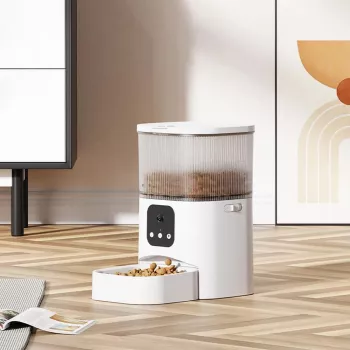
Smart 3L Automatic Pet Feeder with Camera & App Control for Dogs and Cats
Keeping a consistent feeding routine is easier when meals can be scheduled, portioned, and checked remotely. A smart feeder with a built-in camera and app control supports daily structure for dogs and cats—especially for busy workdays, travel, multi-pet homes, and pets that benefit from measured portions. For more guidance, see Best Android Automatic Dog Feeder Review | Pet Gadget Insider.
What Makes a Smart Feeder Worth Using
A well-designed automatic feeder can reduce the day-to-day “did anyone feed them yet?” confusion while keeping mealtimes predictable. Scheduled meals help maintain a steady routine and can reduce missed feedings when mornings run long or evenings get busy. Portion control is also useful for pets that do better with measured servings—particularly when paired with a veterinarian-recommended plan and regular weigh-ins. For further reading, see Best Automatic Dog Feeders – Consumer Reports.
Remote monitoring adds another layer of reassurance: it’s one thing to schedule a meal, and another to confirm the food actually dispensed and your pet approached the bowl. A camera view can help owners spot changes in eating behavior early—like repeated visits to an empty bowl, hesitation before eating, or a sudden drop in interest. And when plans change unexpectedly, app control makes it simpler to adjust feeding times without being physically next to the feeder.
Key Features to Look For in a 3L Feeder with Camera
A 3L capacity is often a practical middle ground for small-to-medium pets and households that prefer shorter refill intervals (which can help keep kibble fresher). Reliability matters most: the feeder should dispense typical dry kibble consistently, and it’s best to avoid very large or irregularly shaped pieces that can increase the chance of jams.
For camera monitoring, look for a clear view of the bowl area and reasonable low-light performance for early mornings or evenings. On the app side, helpful basics include multi-meal scheduling, adjustable portions, and notifications (when supported) such as feeding confirmations, low-food warnings, and connectivity status. Finally, cleaning shouldn’t be complicated—removable bowls and an accessible food path make routine maintenance far easier.
Quick Checklist for Daily Use
| Need | Why it matters | What to check before buying/using |
|---|---|---|
| Consistent portions | Helps prevent overfeeding and supports routine | Portion size options and repeatable dispensing |
| Remote access | Adjust schedules when plans change | App control and stable connectivity in the feeding location |
| Pet visibility | Confirm eating and bowl access | Camera angle, clarity, and night viewing if needed |
| Hygiene | Reduces odors and residue | Removable bowl/parts and simple cleaning steps |
| Food freshness | Encourages appetite and reduces staleness | Lid seal, dry storage, and regular bin cleaning |
How App Control Fits Into Real-Life Routines
App scheduling is most useful when it mirrors how a household actually runs. Many owners set weekday vs. weekend schedules so pets aren’t waking the house up early on Saturday. Smaller, mid-day portions can work well for cats and dogs that do better with multiple mini-meals rather than one or two large ones.
If a meeting runs late or a travel connection gets delayed, quick schedule adjustments can help keep meals consistent. The camera adds a practical check-in around mealtime: you can confirm your pet is eating normally and not hovering anxiously, guarding the bowl, or getting blocked by another pet. In multi-pet homes, it may also reveal when separate feeding zones (or separate feeders) are the calmer option.
Camera Monitoring: Helpful Uses Beyond Peace of Mind
Portioning, Diet Plans, and Common Feeding Mistakes
Start by identifying how much your pet currently eats per day (measured, not guessed), then split that total into scheduled meals. If you’re changing food brands or formulas, transition gradually to reduce digestive upset. For weight management, it’s best to follow a veterinarian-recommended calorie plan rather than generic feeding charts; the AVMA’s overview of pet obesity is a helpful reference for why portion consistency matters.
Setup and Placement Tips for Better Reliability
Cleaning, Maintenance, and Food Safety Basics
Regular cleaning supports both reliability and food quality. Wash the bowl on a routine schedule and wipe down areas where dust and food oils collect. Clean the food bin as recommended and let it dry fully before refilling to prevent moisture buildup. The FDA’s pet food storage tips are a solid baseline for keeping kibble fresher and reducing contamination risks.
Who This Feeder Is Best For
A Practical Option to Consider
If you want dependable scheduling plus the ability to visually check in, the Smart 3L Automatic Pet Feeder with Camera & App Control for Dogs and Cats is a practical way to support routine feeding with remote adjustments. For multi-pet homes, pairing consistent mealtimes with separate rest areas can also reduce competition; the 59″ Wooden Dog Crate Furniture for 2 Dogs, Double Rooms with Drawers & Divider can help create defined spaces when pets need structured downtime around busy household traffic.
FAQ
Can an automatic feeder replace regular pet care during travel?
No. It can handle scheduled meals, but it doesn’t replace daily wellness checks, fresh water monitoring, or help in emergencies; for longer trips or pets with medical needs, arrange a sitter or check-in support.
What type of food works best in an automatic feeder?
Dry kibble is typically best. Choose pieces that are a consistent, moderate size and avoid very large or irregular shapes that can increase the chance of jams; wet food usually isn’t suitable unless a feeder is specifically designed for it.
How can portion sizes be set accurately?
Run a test dispense and weigh it with a kitchen scale to map app portions to grams (or cups), then adjust gradually based on body condition and veterinary guidance.








Leave a comment